Understanding Alzheimer’s and Dementia
“Dementia” is an umbrella term for a group of brain disorders characterized by a decline in memory, thinking, behavior, and the ability to perform everyday activities. While some cognitive decline is normal with aging, dementia represents changes that interfere significantly with daily life. CDC+2Alzheimers.gov+2
Alzheimer’s disease is the most common cause of dementia. It is a progressive, irreversible condition involving the degeneration of brain cells, particularly in regions responsible for memory, language, and reasoning. Symptoms typically appear after age 60, though early-onset cases occur in younger people. PMC+5CDC+5National Institute on Aging+5
Some hallmark changes in Alzheimer’s include the accumulation of amyloid plaques and neurofibrillary tangles within the brain, which are associated with disruption in neuron-to-neuron communication and eventual cell death. PMC+2Mayo Clinic+2
- All Alzheimer’s is dementia, but not all dementia is Alzheimer’s.
- Other types of dementia include vascular dementia, Lewy body dementia, frontotemporal dementia, and more.
- Some people live with more than one underlying brain pathology (mixed dementia).
Signs, Stages & Progression
Early Warning Signs
Recognizing early signs can help lead to earlier intervention and support. Some common warning signs include:
- Memory loss that disrupts daily life (e.g. forgetting recent conversations or events)
- Difficulty planning or solving problems
- Struggling to complete familiar tasks
- Confusion with time or place
- Trouble understanding visual images or spatial relationships
- New problems with words in speaking or writing
- Misplacing things, and inability to retrace steps
- Poor judgment or decision making
- Withdrawal from work or social activities
- Changes in mood and personality
These are adapted from the 10 Warning Signs list by the Alzheimer’s Association. Alzheimer’s Association+2Alzheimer’s Association+2
Progression & Stages
Alzheimer’s generally progresses in stages:
- Preclinical / No symptoms — biological changes begin before symptoms arise.
- Mild / Early-stage — subtle memory lapses, difficulties with organization or word-finding.
- Moderate / Middle-stage — increased confusion, trouble with daily tasks, behavioral changes.
- Severe / Late-stage — loss of verbal communication, difficulty walking or swallowing, full-time care needed.
While progression timelines vary, many people live 8–10 years (or longer) after diagnosis. National Institute on Aging+3Mayo Clinic+3PMC+3
Risk Factors & Prevention
Known Risk & Protective Factors
- Age is the greatest risk factor. The risk of Alzheimer’s increases significantly after age 65. CDC+1
- Genetic factors: Certain genes (e.g. APOE ε4) raise risk but don’t guarantee disease.
- Cardiovascular risks: Hypertension, high cholesterol, diabetes, obesity may all contribute.
- Lifestyle factors: Smoking, physical inactivity, poor diet, lack of social engagement may increase risk, while regular exercise, cognitive stimulation, healthy diet, social activity are thought to be protective to some degree (but none guarantees prevention).
- Head injury, sleep disorders, depression, and other health issues may also play a role.
Because Alzheimer’s arises from complex, interacting causes, no single strategy ensures prevention. Still, focusing on brain-healthy lifestyle choices can help.
Diagnosis & Treatment
Diagnosis
A diagnosis of Alzheimer’s or other dementia typically includes:
- Clinical assessment of history, symptoms, and mental status tests
- Neurological exam
- Laboratory tests to rule out other causes
- Brain imaging (MRI, CT, PET scans) to detect brain changes or exclude other conditions
- In some cases, biomarker tests (e.g. amyloid or tau PET imaging or cerebrospinal fluid analysis) — often used in research settings or specialty centers National Institute on Aging+3Mayo Clinic+3National Institute on Aging+3
Early diagnosis is beneficial for planning, treatment, and support.
Current Treatments & Care Approaches
There is currently no cure for Alzheimer’s, but treatments and strategies can help manage symptoms and improve quality of life. PMC+4National Institute on Aging+4Mayo Clinic+4
- Medications — such as cholinesterase inhibitors (e.g. donepezil, rivastigmine) and NMDA receptor antagonists (e.g. memantine) — may slow symptom progression or ease cognitive difficulties. Mayo Clinic+2National Institute on Aging+2
- Non‑pharmacologic interventions — structured routines, cognitive rehabilitation, physical exercise, social engagement, sensory supports, memory aids, and environmental modifications.
- Behavior management — understanding what triggers behavioral symptoms (like agitation or wandering) and using person-centered strategies to reduce distress.
- Support for caregivers — training, support groups, respite care, counseling.
Because Alzheimer’s affects each person differently, treatments and strategies should be tailored to individual needs and stage of disease.
Planning, Care, and Support
Care Partner Role & Self‑Care
Caring for someone with Alzheimer’s can be emotionally and physically demanding. Caregivers often face stress, grief, guilt, and burnout. It’s vital to:
- Seek caregiver education, training, and support
- Use respite care (short-term relief)
- Join support groups
- Maintain your own health, social connections, hobbies
- Reach out for help when needed
Legal, Financial & Safety Planning
Early in the diagnosis (while capacity is still strong) is an ideal time to:
- Establish advance directives or living wills
- Designate powers of attorney
- Assess financial options, insurance, Medicaid planning
- Ensure home safety (e.g. fall risk, wandering precautions)
- Plan for future care needs
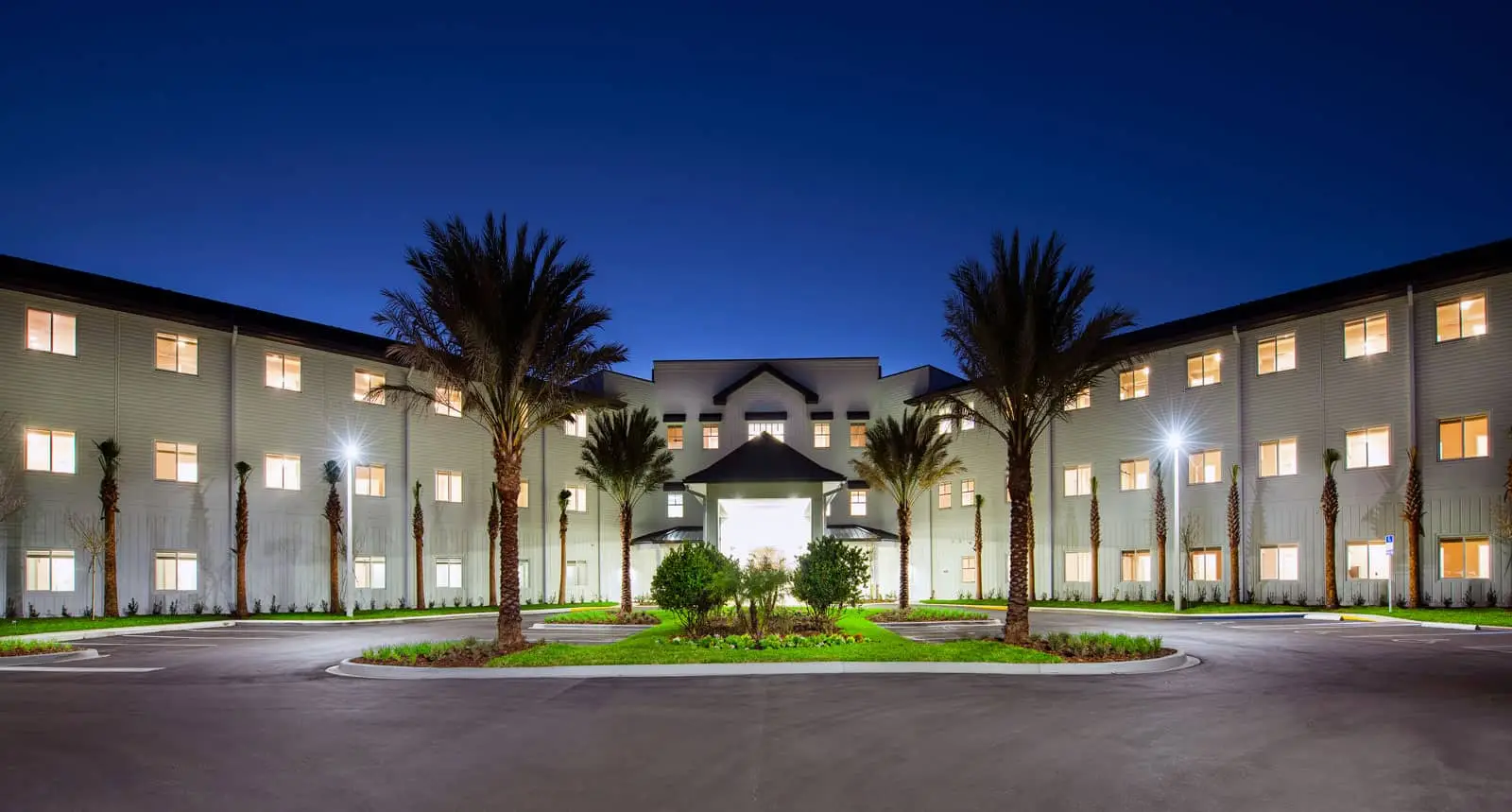
Memory Care & Long-Term Support at Paradise Pointe
As Alzheimer’s progresses, specialized memory care can help your loved one live safely, comfortably, and with purpose. At Paradise Pointe, our memory care program offers:
- Certified dementia care staff providing personalized support
- Secure, comfortable environment designed for safety and peace of mind
- Engaging activities tailored to each resident’s interests
- Family-focused communication to keep loved ones informed
Choosing memory care is a deeply personal decision. At Paradise Pointe, we aim to provide peace of mind for families while helping residents live as fully and comfortably as possible.

How to Use This Information
This page is intended to help you:
- Understand Alzheimer’s and dementia — what they are, how they progress, and how they differ
- Recognize signs and risk factors — so you can seek evaluation early
- Learn about diagnosis, care, and treatment options — so you can advocate effectively for your loved one
- Explore support options — for both your loved one and caregivers
- Prepare for memory care decisions — with more confidence and resources
Recommended External Resources
Below are trusted sites where you can access further learning:
Your Next Step Starts Here
If you’d like to learn more about Paradise Pointe and our specialized memory care programs and apartments, we invite you to connect with us. Call or schedule a tour, and we’ll guide you through the options available for your loved one. Call us at (386) 679-1211 or click below to schedule a tour.